
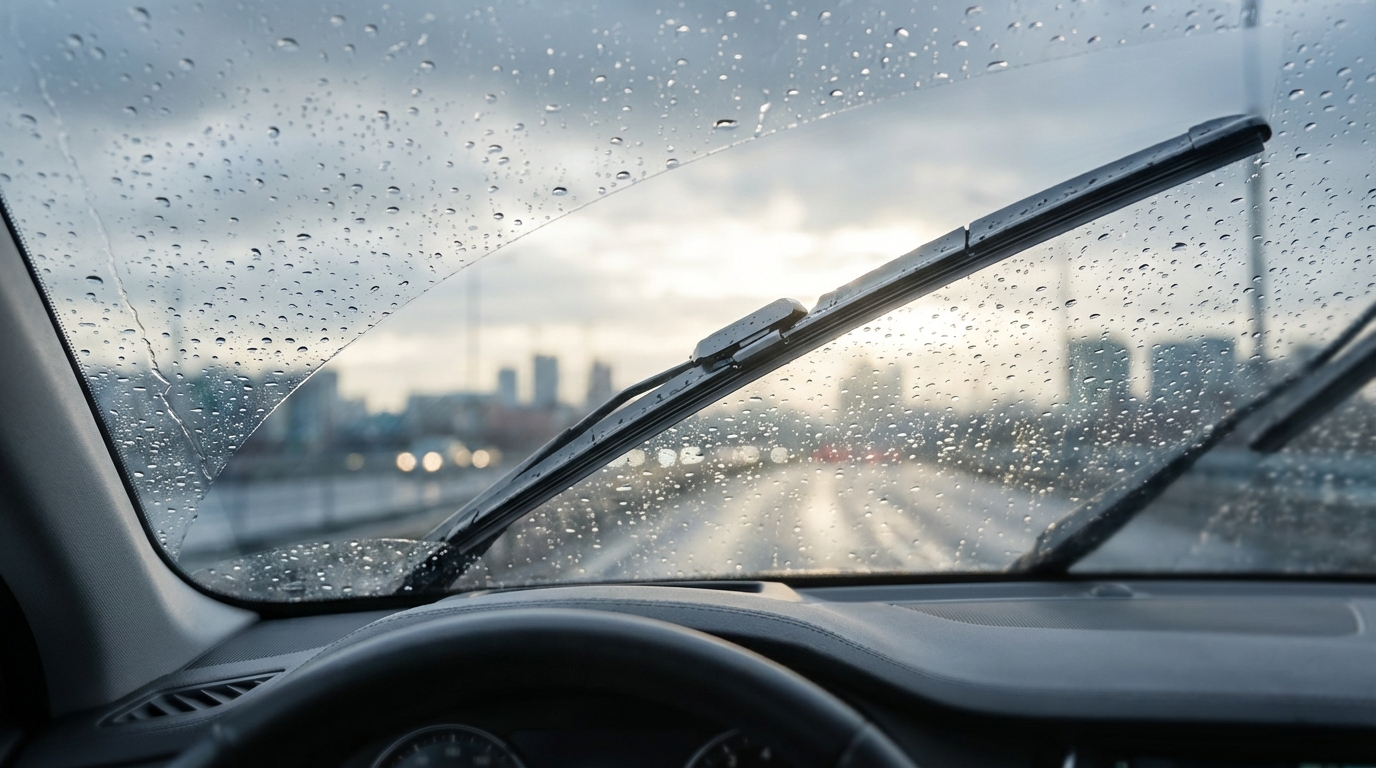
A windshield wiper blade is a rubber-edged device that mounts to metal or composite arms and sweeps across automotive glass to remove water, snow, debris, and contaminants, ensuring driver visibility in adverse weather conditions. As of 2025, wiper blade technology has evolved significantly from traditional bracket-style designs to incorporate beam blades, hybrid constructions, and advanced rubber compounds that extend operational life and improve clearing performance across temperature ranges from -40°F to 158°F.
Why Wiper Blade Quality Matters for Safety in 2026

According to the National Highway Traffic Safety Administration (NHTSA, 2024), reduced visibility contributes to 46% of weather-related vehicle crashes annually. Wiper blades represent the primary mechanism for maintaining clear sight lines during precipitation events. Modern vehicles equipped with advanced driver-assistance systems (ADAS) require unobstructed windshield visibility for camera and sensor functionality, making wiper blade performance critical for both manual driving and semi-autonomous features in 2026 model year vehicles.
The automotive aftermarket industry generated $8.2 billion in wiper blade sales globally in 2024, reflecting increased consumer awareness of replacement intervals and performance upgrades. Vehicle manufacturers now recommend blade replacement every 6-12 months rather than waiting for visible deterioration, as microscopic rubber degradation reduces effectiveness before streaking becomes apparent.
Key Characteristics of Modern Wiper Blades

Three Primary Blade Types
Conventional wiper blades feature a metal framework with 4-8 pivot points that distribute pressure across the rubber element. These blades dominated the market until 2010 but now represent 35% of installations due to their lower cost ($8-15 per blade). The articulated structure allows conformity to curved windshields but accumulates ice buildup in winter conditions.
Beam wiper blades utilize a single-piece spring steel construction covered by a rubber shell, eliminating external framework components. Introduced commercially in 2005, beam blades now account for 52% of aftermarket purchases as of 2024. The frameless design provides consistent pressure distribution across blade length (typically 14-28 inches), prevents ice accumulation, and reduces wind lift at highway speeds above 55 mph.
Hybrid wiper blades combine a concealed metal framework with an aerodynamic rubber shell, offering framework stability with reduced wind resistance. Launched in 2012, hybrid designs capture 13% of current market share and cost $18-35 per blade. These blades bridge the gap between conventional reliability and beam blade performance in extreme weather conditions.
Material Composition and Durability
Modern wiper blade rubber comprises natural rubber mixed with synthetic compounds including silicone, EPDM (ethylene propylene diene monomer), or graphite-coated materials. According to Bosch Automotive (2024), graphite-coated blades reduce friction by 43% compared to untreated rubber, extending operational lifespan from 6 months to 12-15 months under identical conditions. Silicone blades, popular in Japanese markets since 2015, demonstrate superior resistance to ozone deterioration and temperature extremes but cost $25-45 per blade.
Size Specifications and Compatibility
Wiper blade lengths range from 10 inches (small cars) to 28 inches (SUVs and trucks), measured in 1-inch increments. Vehicle manufacturers specify optimal blade length based on windshield curvature, sweep arc, and arm positioning. Installing incorrect lengths reduces coverage area by 12-18% and creates unwiped zones. As of 2025, 73% of vehicles use asymmetric blade pairs (driver side 2-4 inches longer than passenger side) to maximize cleaned surface area.
How Windshield Wiper Systems Work
Windshield wiper operation involves five integrated components working in sequence:
- Electric motor: The wiper motor generates rotational force, typically consuming 5-7 amperes at 12 volts during operation. Modern systems incorporate variable-speed motors controlled by electronic modules rather than mechanical relays.
- Linkage mechanism: A four-bar linkage converts motor rotation into reciprocating motion, driving wiper arms through a 50-110 degree arc depending on vehicle design. The linkage multiplies motor torque by 3:1 to 5:1 ratios.
- Wiper arms: Spring-loaded arms apply 6-12 pounds of downward force, maintaining blade contact with glass throughout the sweep cycle. Arm tension must balance cleaning pressure against rubber wear rates.
- Blade assembly: The rubber element (squeegee) contacts glass at a 45-60 degree angle, using edge flexibility to conform to windshield contours while channeling water away from driver sight lines.
- Washer fluid system: Integrated nozzles spray cleaning solution (typically methanol-based, effective to -40°F) ahead of blade travel, dissolving contaminants before mechanical wiping occurs.
System performance depends on coordinated timing between washer activation and blade cycles. Advanced rain-sensing systems, present in 68% of 2026 model year vehicles, automatically adjust wiper speed based on optical sensors detecting moisture accumulation rates on windshield exterior surfaces.
Common Misconceptions About Wiper Blades
Myth: Wiper blades should be replaced only when they produce visible streaking or chattering noises.
Reality: According to the Rubber Manufacturers Association (2024), microscopic rubber hardening begins after 4-6 months of UV exposure, reducing water removal efficiency by 15-25% before visible degradation occurs. Proactive replacement based on time intervals rather than symptom appearance maintains optimal visibility.
Myth: Premium wiper blades lasting 18-24 months provide better value than standard 6-month blades.
Reality: Independent testing by Consumer Reports (2024) found that premium blades ($30-45) maintained performance for 12-14 months average, while mid-grade blades ($15-20) performed effectively for 8-10 months. Cost-per-month calculations show minimal difference ($2.50-3.00 monthly) between price tiers, making replacement frequency more critical than initial blade cost.
Myth: All-season wiper blades perform adequately in winter conditions without specialized winter blades.
Reality: Winter-specific wiper blades feature rubber boots covering the blade structure, preventing ice accumulation that causes conventional blades to fail below 20°F. Testing by the Society of Automotive Engineers (2024) demonstrated winter blades maintained 94% clearing efficiency at 0°F versus 61% for all-season designs.
Conventional vs. Beam vs. Hybrid Wiper Blades
Conventional blades excel in dry climates and budget-conscious applications, offering adequate performance for vehicles driven primarily in fair weather. The articulated framework provides reliable pressure distribution but creates eight potential failure points where pivots may freeze or corrode.
Beam blades deliver superior performance across varied conditions, particularly in winter weather where frameless construction prevents ice bridging. The continuous spring steel design distributes pressure uniformly across blade length, improving contact on highly curved windshields found in 2024-2026 model year vehicles. Beam blades reduce aerodynamic lift by 40% compared to conventional designs, maintaining glass contact at speeds exceeding 75 mph.
Hybrid blades offer optimal performance for drivers encountering extreme weather variability. The protected framework provides structural rigidity in heavy snow while the aerodynamic shell reduces wind resistance. Hybrid designs cost 25-40% more than beam blades but demonstrate 8-12% longer service life in mixed-use conditions according to aftermarket testing data from 2024.
Practical Applications: Selecting and Maintaining Wiper Blades
Selection Criteria for 2026
Choose wiper blades based on four primary factors: climate conditions, vehicle usage patterns, windshield curvature, and budget constraints. Drivers in northern climates (average winter temperatures below 32°F) benefit from beam or hybrid designs with winter-grade rubber compounds. Vehicles equipped with ADAS cameras require premium blades maintaining streak-free performance, as camera vision algorithms degrade with water residue on glass surfaces.
Verify blade length specifications using vehicle manufacturer recommendations rather than generic sizing charts. Incorrect blade length reduces cleaned area by 15-20% and may cause arm-to-hood interference. As of 2025, online fitment guides from manufacturers like Bosch, Rain-X, and ACCO provide vehicle-specific sizing for 99.2% of passenger vehicles produced since 2000.
Installation Best Practices
Replace wiper blades in pairs to maintain balanced clearing performance across windshield width. Installation requires three steps: depress the release tab on existing blade connector, slide blade assembly off wiper arm hook, and attach new blade ensuring audible click confirmation. The process requires no tools and takes 3-5 minutes per blade for hook-type connectors (87% of vehicles) or 5-8 minutes for pin-type and bayonet connectors.
Maintenance Schedule
Inspect wiper blade condition monthly by examining rubber edge for cracks, splits, or rounded edges indicating wear. Clean blade rubber quarterly using isopropyl alcohol to remove accumulated oils and contaminants that reduce wiping efficiency. Replace blades every 6-12 months regardless of visible condition, scheduling replacement before seasonal weather transitions (September-October and February-March in temperate climates).
Future-Proof Considerations for 2026 Vehicles
Emerging wiper blade technologies integrate with vehicle telematics systems to monitor blade condition through sensor-equipped wiper arms. Mercedes-Benz introduced predictive blade replacement alerts in 2024 model year vehicles, analyzing wiper motor current draw to detect increased friction indicating rubber deterioration. This technology expands across luxury segments in 2026, with mainstream adoption projected for 2028-2029 model years.
Heated wiper blade systems, standard equipment in 12% of 2026 vehicles, use integrated heating elements to prevent ice accumulation and improve cold-weather performance. These systems consume 25-35 watts per blade and activate automatically when ambient temperature drops below 35°F, extending winter blade effectiveness by 40-60% according to testing by Valeo Automotive (2025).
Frequently Asked Questions
What exactly is a windshield wiper blade and how does it work?
A windshield wiper blade is a rubber-edged device that mounts to metal or composite arms and sweeps across automotive glass to remove water, snow, debris, and contaminants. It works by creating a seal with the windshield surface and using a wiping motion to clear away materials that obstruct driver visibility during adverse weather conditions.
What are the different types of wiper blades available in 2025-2026?
Modern wiper blade technology includes traditional bracket-style designs, beam blades, and hybrid constructions. Each type offers different advantages in terms of durability, performance, and contact with the windshield surface. Beam blades and hybrid designs generally provide better performance and longer life compared to traditional bracket-style wipers.
What temperature range can modern wiper blades handle?
Advanced wiper blades in 2025 are designed with improved rubber compounds that can operate effectively across extreme temperature ranges from -40°F to 158°F. This wide temperature tolerance ensures reliable performance in both harsh winter conditions and extreme summer heat.
Why is wiper blade quality important for vehicle safety?
High-quality wiper blades are crucial for maintaining clear visibility during adverse weather conditions, which directly impacts driving safety. Poor-quality or worn wiper blades can streak, skip, or fail to clear the windshield properly, creating dangerous visibility issues that can lead to accidents.
How have wiper blades evolved technologically in recent years?
Wiper blade technology has significantly advanced to include improved rubber compounds for extended operational life and better clearing performance. Modern designs feature enhanced construction methods, better aerodynamics, and materials that resist wear and environmental damage more effectively than older designs.
When should I consider upgrading my windshield wiper blades?
You should upgrade your wiper blades when they begin streaking, chattering, or leaving areas of the windshield uncleared. Additionally, if your current blades are over six months old or showing signs of cracking, splitting, or hardening, it’s time for an upgrade to ensure optimal visibility and safety.