Autoglass

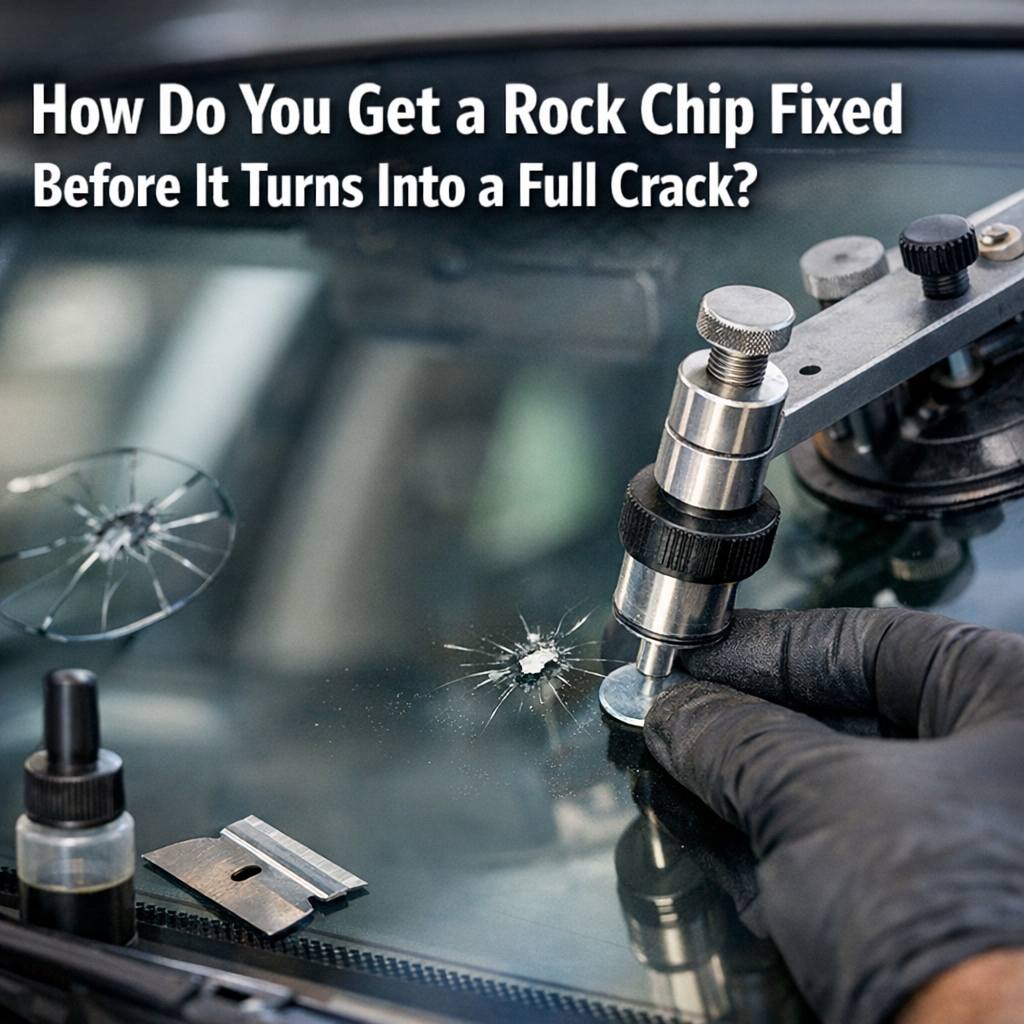
Windshield crack inspection and repair tips

Why Do Windshield Cracks Spread? 7 Solutions That Work

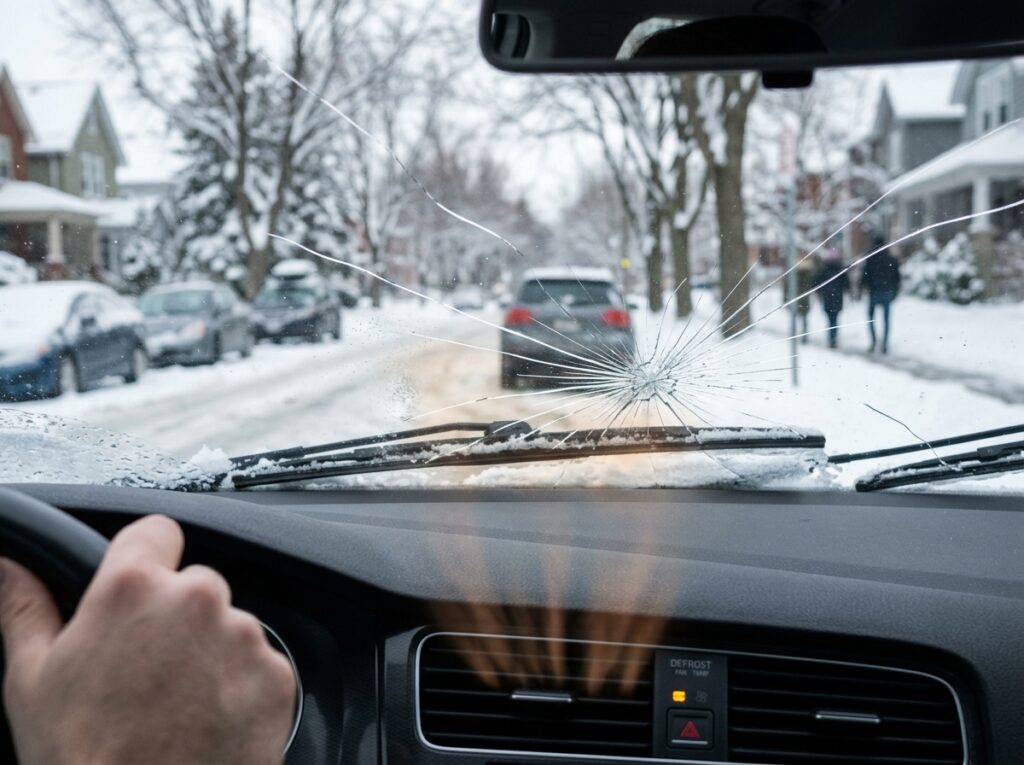
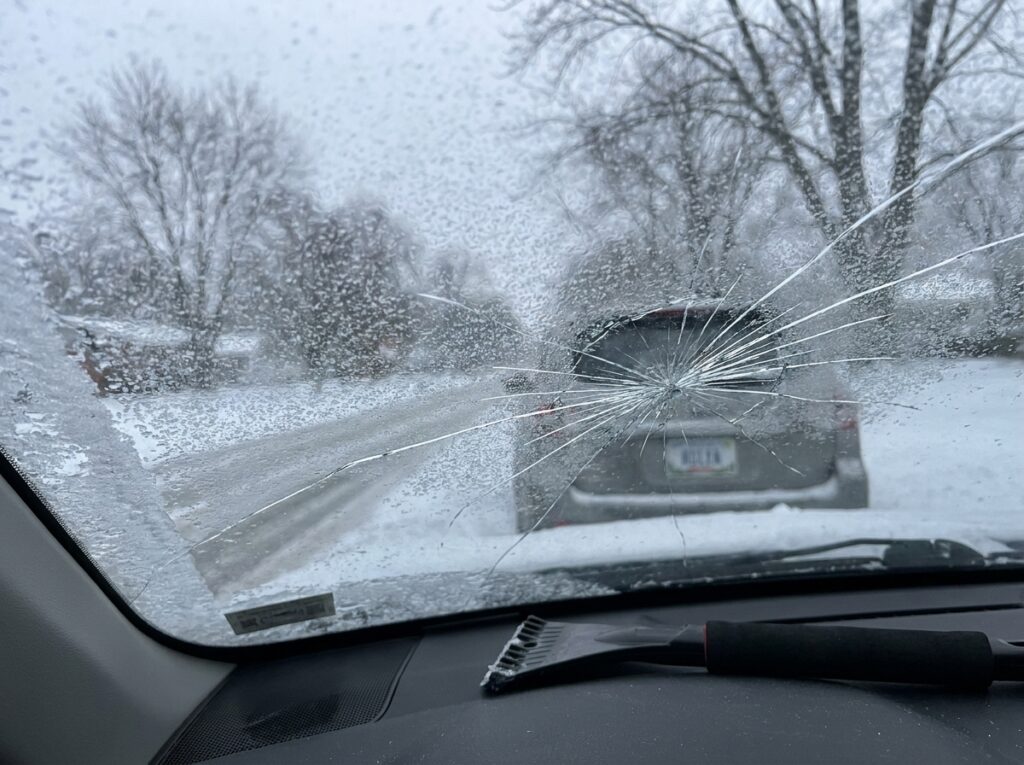
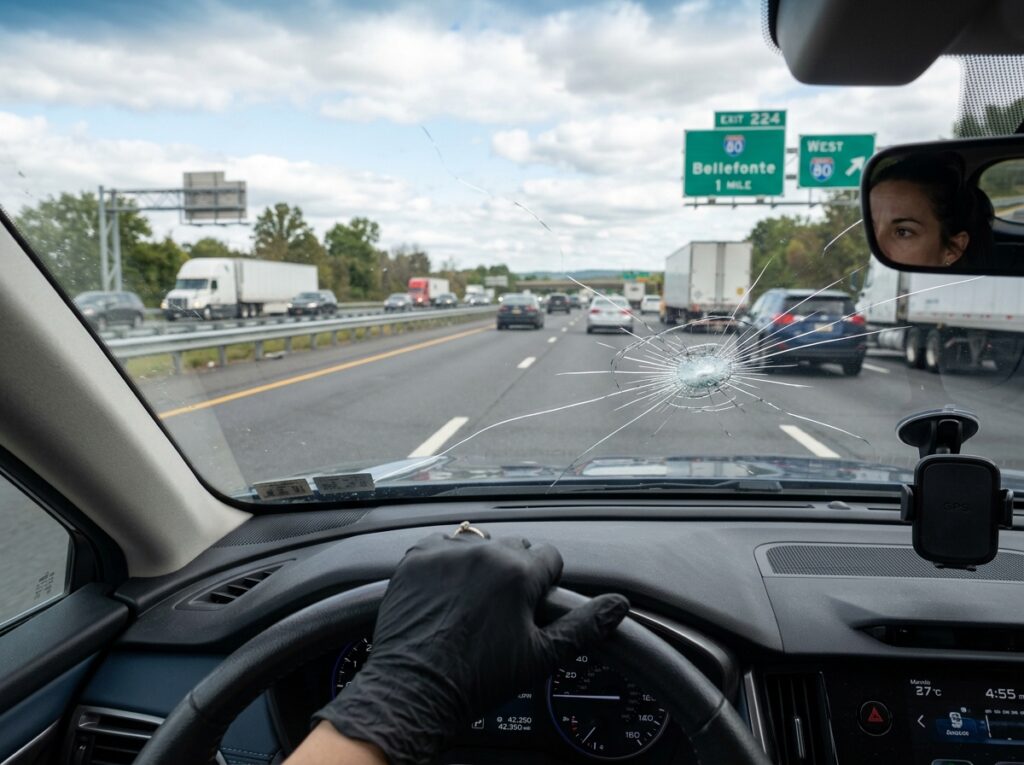
A small windshield chip transforms into a spreading crack that crosses your line of vision within hours. You’re experiencing windshield damage progression if you notice a rock chip or star break expanding after temperature changes, using your defroster, or driving on bumpy roads. According to the National Windshield Repair Association (2023), 60% of untreated chips […]

Why Do Windshield Cracks Spread? 7 Solutions That Work Read More »

Explaining windshield replacement wait times

How Soon Can You Drive After a Windshield Replacement? Safe Wait Times Explained (2026 Guide)

Outcome: After a professional windshield replacement, you can typically drive your vehicle in 1 to 24 hours depending on the adhesive type used. Standard urethane adhesive requires a 24-hour cure time, while fast-cure formulas allow safe driving after just 1 hour. Following proper waiting guidelines ensures structural integrity, prevents water leaks, and maintains vehicle safety

How Soon Can You Drive After a Windshield Replacement? Safe Wait Times Explained (2026 Guide) Read More »

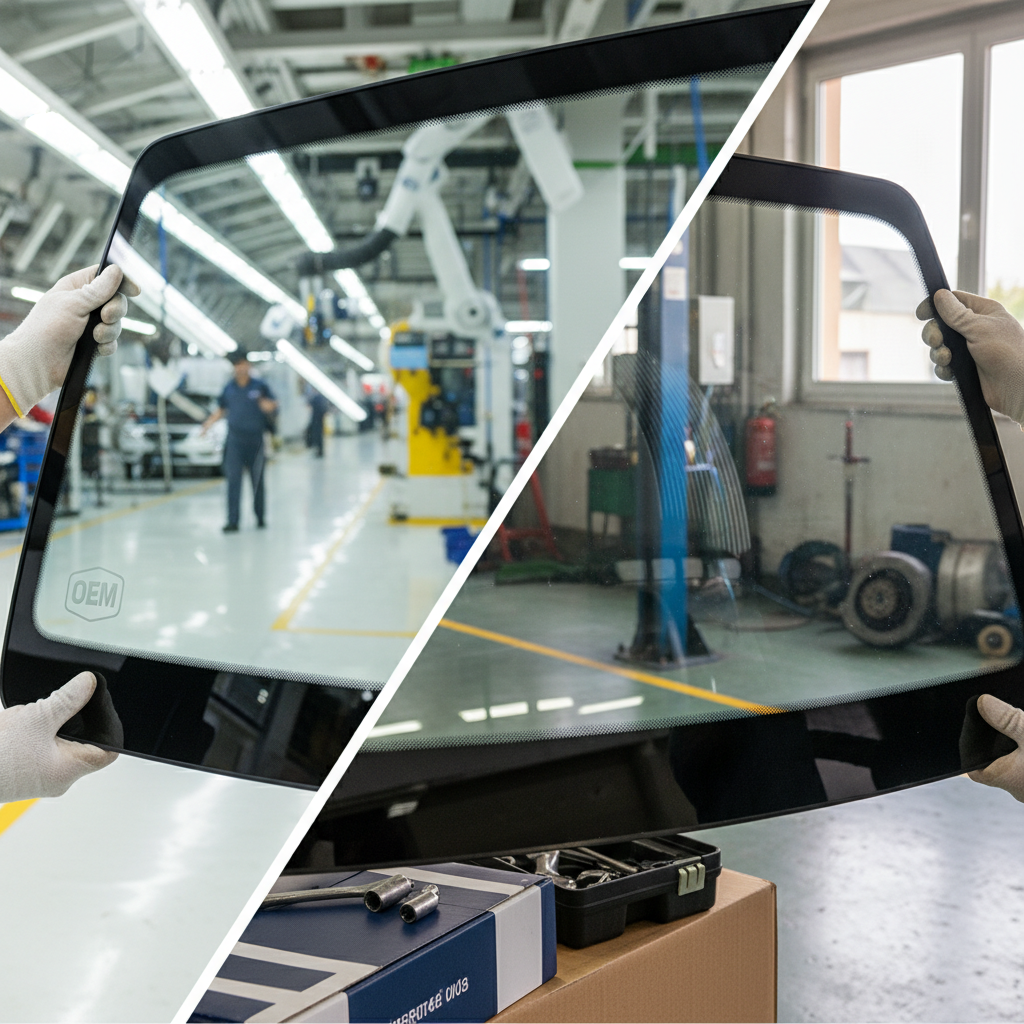
OEM vs. aftermarket windshield comparison

OEM vs. Aftermarket Windshield Glass: Which Is Better for Your Vehicle?

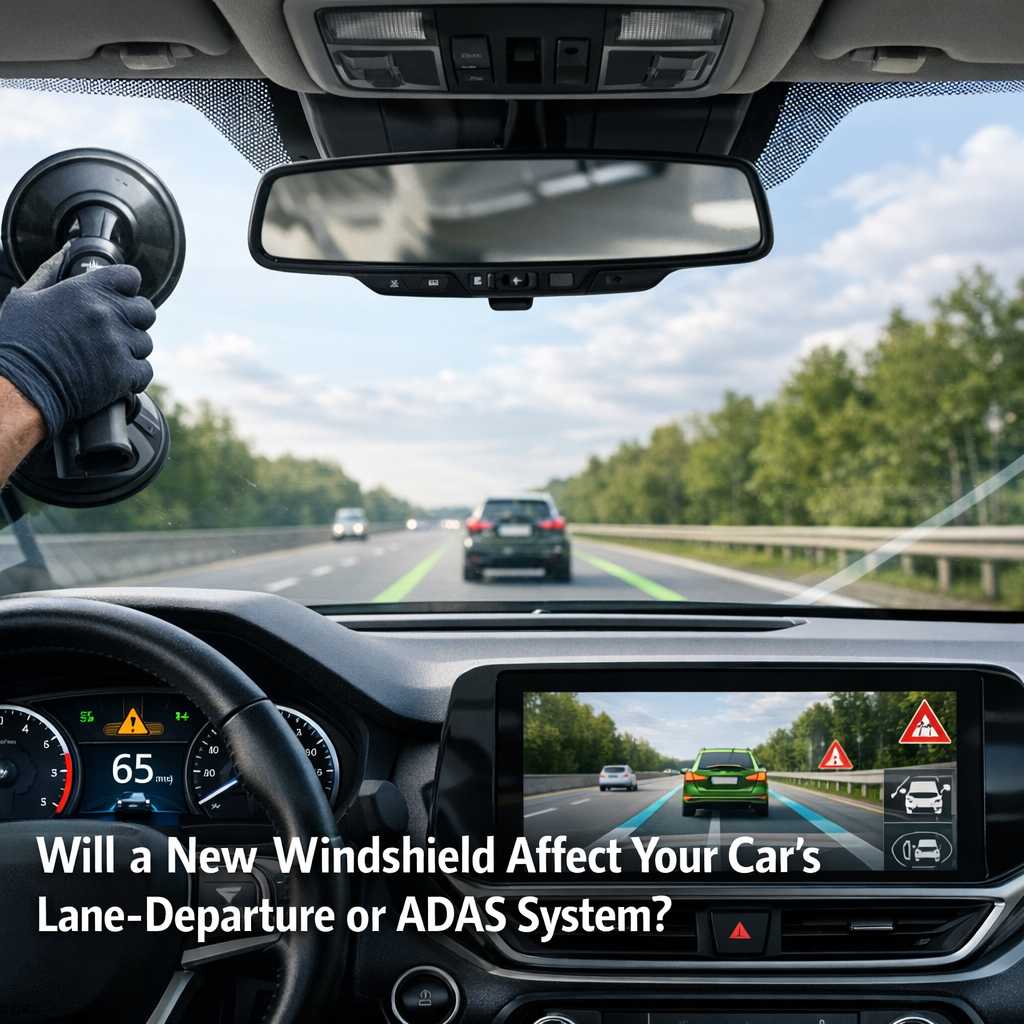
OEM (Original Equipment Manufacturer) windshield glass is manufactured to the exact specifications of your vehicle’s original factory glass, whereas aftermarket windshield glass is produced by third-party manufacturers and may vary in quality and features. OEM windshields cost 30-60% more than aftermarket options but guarantee exact fitment and compatibility with ADAS (Advanced Driver Assistance Systems), while

OEM vs. Aftermarket Windshield Glass: Which Is Better for Your Vehicle? Read More »

Windshield crack spreading

Understanding What Causes Windshield Cracks to Spread: Comprehensive Guide to Glass Damage Expansion

Every driver has experienced that sinking feeling when noticing a small chip or crack in their windshield. What starts as minor damage often transforms into extensive crack propagation, compromising both safety and structural integrity. Understanding what causes windshield cracks to spread empowers vehicle owners to take preventive action before minor issues become costly replacements. This

Understanding What Causes Windshield Cracks to Spread: Comprehensive Guide to Glass Damage Expansion Read More »

Auto glass adhesive urethane drying

How Soon You Can Drive After Windshield Replacement: Safe Drive Away Time and Adhesive Curing Guidelines

Understanding the proper waiting period after windshield replacement is crucial for your safety and the structural integrity of your vehicle. The urethane adhesive used during the installation process requires adequate time to bond properly with your vehicle’s windshield frame, ensuring optimal protection during normal driving conditions and potential accidents. This comprehensive guide examines the critical

How Soon You Can Drive After Windshield Replacement: Safe Drive Away Time and Adhesive Curing Guidelines Read More »

OEM vs Aftermarket Windshield: Glass comparison, repair options, cost, auto glass replacement guide.

What Is the Difference Between OEM and Aftermarket Windshield Glass? A Complete Guide to Choosing the Right Replacement

OEM windshield glass is auto glass manufactured by the Original Equipment Manufacturer to exact factory windshield specifications for a specific vehicle model, while aftermarket windshield glass is produced by third-party glass manufacturers as a generic windshield alternative not made by the vehicle manufacturer. This fundamental distinction affects windshield quality differences, replacement windshield options, fitment accuracy, cost,

What Is the Difference Between OEM and Aftermarket Windshield Glass? A Complete Guide to Choosing the Right Replacement Read More »

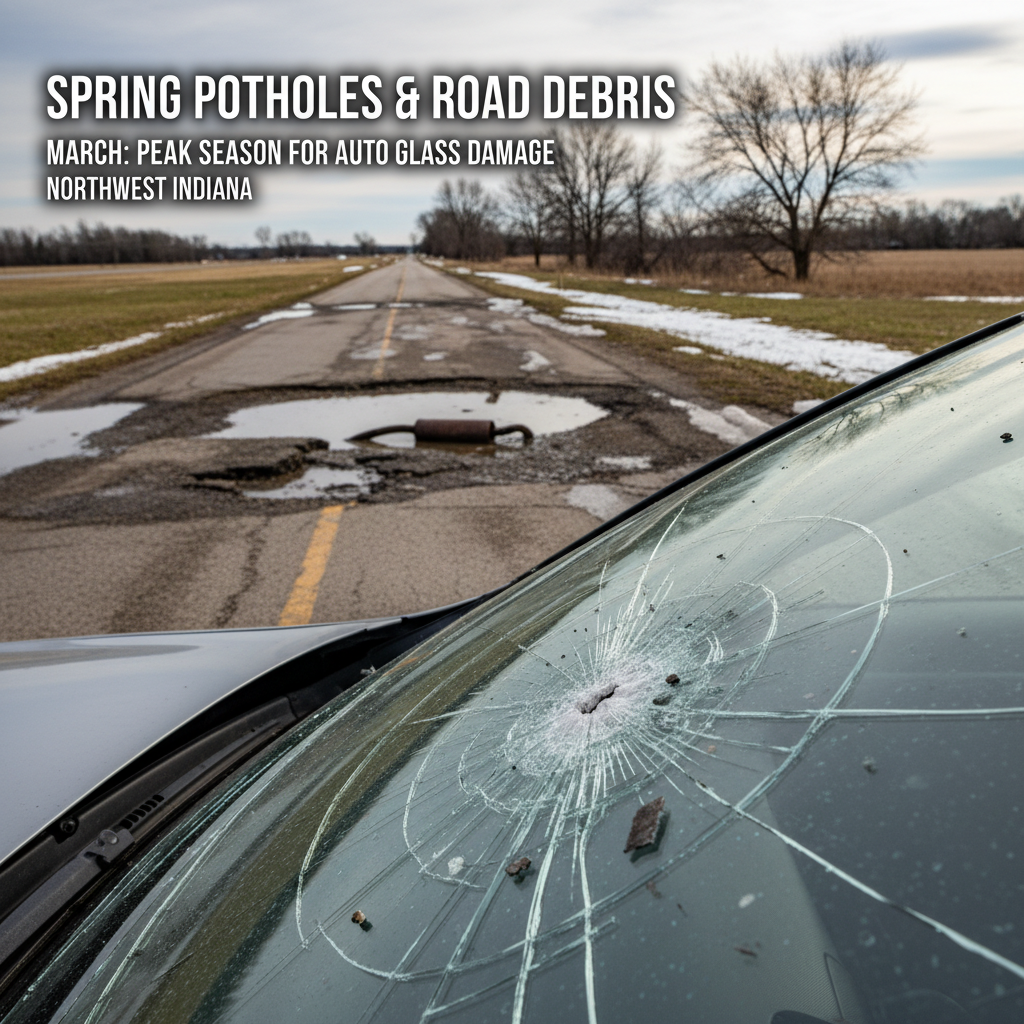
Pothole damage, auto glass repair, Northwest Indiana, spring road debris, cracked windshield.

Spring Potholes vs Road Debris: Why March Is Peak Season for Auto Glass Damage in Northwest Indiana – 2025 Complete Comparison

March brings peak auto glass damage to Northwest Indiana through two primary mechanisms: potholes cause sudden impacts that create chips and cracks when vehicles strike road surface damage, whereas road debris (loose gravel, asphalt chunks, construction materials) creates flying projectiles that strike windshields at high velocity. According to the Indiana Department of Transportation (INDOT), freeze-thaw

Spring Potholes vs Road Debris: Why March Is Peak Season for Auto Glass Damage in Northwest Indiana – 2025 Complete Comparison Read More »

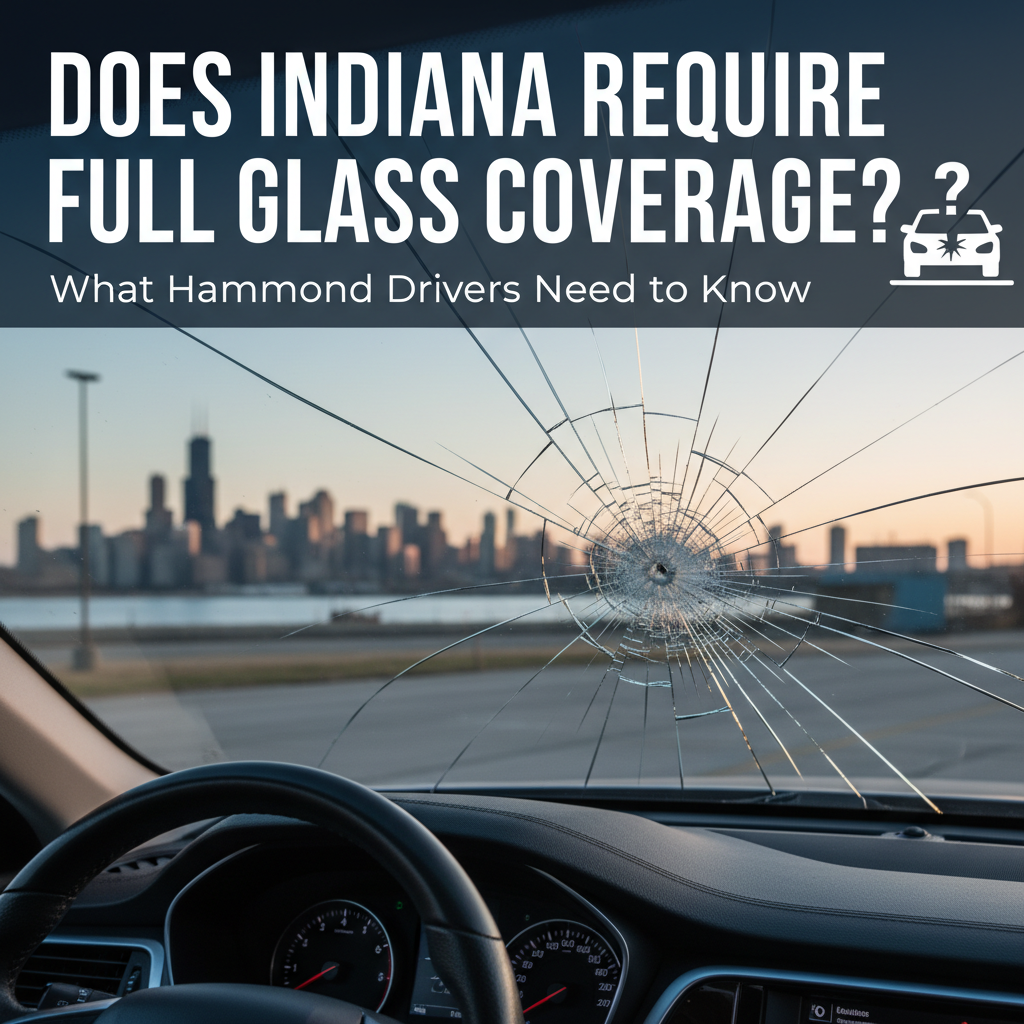
Car windshield damage in Hammond, Indiana. Glass coverage info.

What Is Full Glass Coverage? Indiana Requirements for Hammond Drivers

Full glass coverage is an optional auto insurance protection that covers repair or replacement of vehicle glass components without applying the standard comprehensive deductible, or with a reduced deductible specific to glass damage. As of 2025, Indiana does not require full glass coverage as part of mandatory auto insurance, making it an optional add-on to

What Is Full Glass Coverage? Indiana Requirements for Hammond Drivers Read More »

Mobile auto glass repair Hammond IN: Windshield chip fix service at home or work.

How to Get Mobile Auto Glass Repair in Hammond, IN: Complete 7-Step Guide 2025

Mobile auto glass repair in Hammond, Indiana, brings professional windshield repair and auto glass replacement directly to your location, eliminating the need to visit a shop. According to the National Windshield Repair Association, mobile services complete most chip repairs in 30-45 minutes and full windshield replacements in 60-90 minutes. This guide explains how mobile auto

How to Get Mobile Auto Glass Repair in Hammond, IN: Complete 7-Step Guide 2025 Read More »

Hammond Winter Drivers

Hammond Winter Drivers: Understanding the Dangers of a Small Crack in Extreme Cold

A windshield crack in extreme cold is a structural weakness in automotive safety glass that expands rapidly when exposed to temperature differentials of 20°F or greater, compromising vehicle integrity and driver visibility. For Hammond drivers facing winter temperatures that regularly drop below 0°F (as recorded by the National Weather Service between November and March), even

Hammond Winter Drivers: Understanding the Dangers of a Small Crack in Extreme Cold Read More »

Scroll to Top

Warning: file_get_contents(/var/www/autoglasshammond.com/htdocs/wp-content/plugins/redis-cache/includes/object-cache.php): Failed to open stream: No such file or directory in /var/www/autoglasshammond.com/htdocs/wp-includes/functions.php on line 6948

Warning: file_get_contents(/var/www/autoglasshammond.com/htdocs/wp-content/plugins/redis-cache/includes/object-cache.php): Failed to open stream: No such file or directory in /var/www/autoglasshammond.com/htdocs/wp-includes/functions.php on line 6948